In today’s fast-paced world, maintaining optimal oral health can often become a challenging task. Nonetheless, keeping our teeth and gums healthy is crucial not only for aesthetic reasons but also for our overall well-being. A consistent oral hygiene routine goes hand in hand with regular visits to a dentist, which plays a significant role in ensuring our mouths remain in the best condition possible. With so many aspects to consider—ranging from routine care to addressing sudden dental emergencies—it’s essential to have a comprehensive understanding of oral health and the different facets of dental care.
In this comprehensive guide, we’ll explore everything from establishing a stable oral hygiene routine to choosing the right practitioners for your dental needs. Learn how to respond to unexpected dental issues with confidence, support oral health in children, and make dental care more affordable and accessible. Additionally, we’ll address the importance of reducing dental anxiety, safely enhancing your smile, and utilizing advanced treatments for both gum health and damaged teeth. Through this exploration, you’ll gain insights into maintaining dental wellness throughout your life, equipped with information from everyday practices to pioneer treatments. Read on and discover what you need to know about safeguarding your teeth and gums, ensuring they remain healthy and strong for years to come.
Establishing a Consistent Oral Hygiene Routine
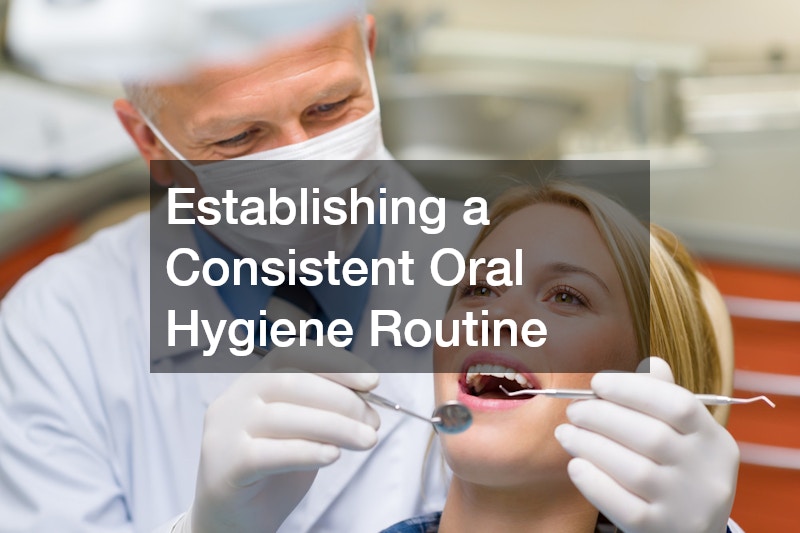
A foundational element of oral health is establishing and maintaining a consistent oral hygiene routine. This involves regular brushing and flossing, as these practices are paramount in keeping the teeth clean and free from harmful plaque and bacteria. Visiting your dental office regularly for check-ups and cleanings is also crucial as it ensures that any potential issues are detected early before they require extensive treatment.
In addition to brushing and flossing, using mouthwash can act as an additional safeguard against oral issues. Mouthwashes not only freshen breath but also help in reducing plaque and fighting off gingivitis, particularly when used as part of a daily oral care routine. Consultation with a general dentist practice can provide personalized recommendations for oral hygiene products that best suit your needs.
For individuals who might struggle with maintaining this routine, creating habits around these practices can help. Setting specific times for oral care activities, such as while watching television or listening to music, can make these actions habitual and less likely to be forgotten. Sharing your intentions and progress with a family dentist might offer an additional layer of accountability and encouragement.
Choosing the Right Practitioners for Comprehensive Care
Selecting the right dental professionals is crucial for achieving desired outcomes in oral health. A comprehensive dental care team typically includes general dentists practice, specialists, and support staff, all of whom work together to provide a full spectrum of services. Ensuring that these practitioners are well-qualified and experienced provides patients with confidence and peace of mind regarding their dental care.
When choosing a dental office, consider the range of services offered and whether they meet your specific needs. From routine cleanings to specialized treatments such as sedation dentistry, it’s vital to ensure that the team is skilled in executing various procedures competently. For those seeking cosmetic dentistry, it’s equally important to research and verify the credentials and outcomes of the practice.
Communication is another essential factor when choosing practitioners. Effective communication ensures that your questions and concerns are addressed thoroughly and appropriately. A practitioner’s willingness to engage in discussions and clearly explain procedures can significantly enhance your comfort and understanding, fostering a more positive dental experience.
Responding to Unexpected Dental Issues
Despite our best efforts to maintain standard oral care routines, dental emergencies can still occur. Issues such as sudden toothaches, broken teeth, or lost fillings require prompt attention. An emergency dentist is equipped to handle these unexpected circumstances, providing immediate relief and preventive measures to minimize further damage.
Having access to an emergency dentist allows for swift and effective treatment of urgent dental problems. It’s wise to know contact information and location details of a local emergency dentist so you can act quickly should the need arise. This can be particularly beneficial during weekends or after hours when regular dental offices may be closed.
While preventing emergencies is ideal, not all can be avoided. Thus, being prepared with knowledge and resources ensures you are equipped to handle dental issues effectively. Regular check-ups and maintaining open communication with your dental practitioner can help to identify and treat potential problems before they escalate into emergencies.
Supporting Oral Health in Children
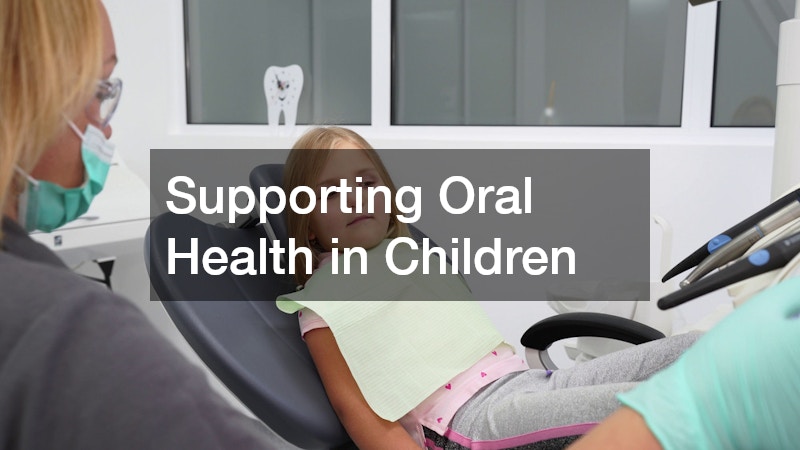
For children, establishing good oral hygiene practices from a young age is vital for lifelong dental health. Local pediatric dentistry specializes in caring for young patients, providing them with tailored treatments and educating them on the importance of dental care. These practices make visiting the dentist a positive and educational experience for children.
Pediatric dentists are adept at working with young patients, making the dental office a welcoming and cheerful environment. Their approach tends to be more engaging and less intimidating, using child-friendly language and explanations. Regular visits to a pediatric dentist can set the foundation for healthy oral habits and diminish apprehension towards dental care as they grow.
Parent involvement is an essential element in supporting a child’s oral health. Teaching children to brush effectively, encouraging them to floss regularly, and leading by example will instill these critical habits. Awareness and involvement in their dental visits contribute significantly to fostering a positive attitude towards oral hygiene.
Making Dental Care Affordable and Accessible
Financial concerns can often deter individuals from seeking necessary dental treatments. However, finding an affordable dentist or understanding available payment options can remove these barriers, making oral care accessible to more people. Investigating insurance options, payment plans, and community programs can make a significant difference.
Many dental offices offer flexible financing options or sliding scale fees based on income, which helps make necessary treatments more attainable. Additionally, some practices provide discounts for upfront payments or for particular services, adding to affordability. Collaborating with an affordable dentist helps ensure regular care without the burden of financial stress.
Exploring low-cost clinics or programs that offer affordable dental implants for those who require major treatments can help alleviates some of the financial strain. It’s crucial to understand that investing in preventive measures today can save significant future expenses, as it reduces the likelihood of serious dental issues that necessitate extensive treatments.
Reducing Anxiety During Dental Procedures
Dental anxiety is a common challenge that prevents many individuals from seeking necessary care. Sedation dentistry offers a solution, allowing patients to undergo dental procedures in a relaxed and anxiety-free environment. This method uses sedatives to help patients feel calm and comfortable throughout their dental visit.
Different levels of sedation may be employed depending on the patient’s needs and the complexity of the procedure, ranging from mild sedatives that allow patients to remain awake and responsive, to deeper sedatives used for more intensive treatments. Consulting with your dental office regarding sedation options can help tailor a plan best suited for your needs and concerns.
Open communication about dental fears to your practitioner is the first step in mitigating anxiety. Understanding proposed procedures and knowing what to expect can ease worries and help facilitate a more comfortable experience. In addition to sedation, many practices have implemented various calming techniques to create a more welcoming atmosphere, such as soothing music or aromatherapy.

Enhancing Your Smile Safely and Effectively
Cosmetic dentistry focuses on enhancing the appearance of your smile, encompassing various treatments to whiten, straighten, or reshape teeth. While aesthetics are at the forefront of these procedures, safety and efficacy must remain paramount throughout the process. Engaging an experienced practitioner ensures desired results are achieved without compromising oral health.
Common cosmetic dentistry procedures include teeth whitening, veneers, orthodontics, and dental implants. Each of these treatments has unique considerations, particularly regarding the longevity and maintenance of results. Consultation with a skilled cosmetic dentist is essential in determining the best approach to achieve a safe and effective enhancement of your smile.
It’s important to maintain realistic expectations and understand the necessary aftercare for cosmetic treatments. Regular follow-ups with your dentist, combined with a consistent oral hygiene routine, ensure that your cosmetic enhancements remain pristine and last for years to come. Approaching these treatments with awareness and preparation can greatly enhance satisfaction with the outcome.
Restoring and Protecting Damaged Teeth
Over time, teeth may become worn down or damaged due to a variety of factors, including decay, injury, or habitual grinding. Restorative dentistry, including the use of dental crowns, is crucial in both reconstructing and preserving these teeth. Crowns not only restore the tooth’s function but also provide protection against further damage.
Dental crowns are custom-made to fit over the damaged tooth, matching the look and feel of natural teeth, which allows for a seamless restoration. The choice of materials for the crown often depends on location, cost considerations, and functional needs. Discussing options with your dentist can guide you in selecting the most appropriate solution.
In addition to providing structural support, crowns contribute to the aesthetic appearance of one’s smile, making them an ideal option in restorative care. Regular maintenance, including professional cleanings and avoiding habits that may compromise the structural integrity of the crown, ensures their longevity and function.
Advanced Treatments for Gum Health
Gum health is as pivotal as tooth health in achieving optimal oral wellness. Advanced treatments such as laser gum therapy have emerged as effective solutions for treating gum disease and restoring periodontal health. Less invasive than traditional surgical methods, laser therapy targets bacteria and diseased tissue while promoting healing.
Laser gum therapy is often characterized by quicker recovery times and less discomfort, making it a preferable choice for many patients. The precision offered through laser treatments ensures a targeted approach, reducing the potential for damage to healthy surrounding tissues. Consulting with a skilled practitioner experienced in laser procedures is necessary to achieve the best outcomes.
Regular dental check-ups remain vital in managing gum health, allowing for the early detection and treatment of gum issues. Engaging in a daily care routine and following up with recommended treatments reduces the risk of advanced periodontal diseases and ensures long-term oral health.

Maintaining Ongoing Care Across a Lifetime
Oral health is a lifelong commitment, requiring ongoing care and attention. Regular interactions with your family or general dentists practice are crucial, as they provide continuous assessments, guidance, and treatment to adapt to any changes over time. From childhood through older age, preserving dental health ensures both functional and aesthetic considerations are met.
As individuals age, their dental needs may evolve, necessitating adjustments in care routines and treatments to address new challenges such as increased sensitivity, tooth loss, or changes in gum health. Proactive measures and regular consultations with a dental specialist ensure that these challenges are managed effectively to enhance quality of life.
Educating oneself on contemporary advancements in dental science and available treatment options empowers individuals to make informed decisions regarding their oral health. Embracing these lifelong care practices fosters a strong, durable, and attractive set of teeth that contributes to overall health and well-being.
Comprehensive oral health involves a multifaceted approach, encompassing consistent care, professional guidance, and patient empowerment. By establishing a steady routine, selecting knowledgeable practitioners, and responding adeptly to dental challenges, individuals can ensure their teeth and gums remain in peak condition. Engaging in open communication about options such as sedation or cosmetic dentistry can alleviate common concerns and enhance outcomes.
Additionally, addressing financial barriers through accessible dental services, promoting children’s oral health, and staying abreast with innovations like laser gum therapy provide strategies that can effectively improve dental wellness. Embracing the full spectrum of dental care—from prevention to cosmetic and restorative practices—equips individuals with the knowledge to enhance their overall oral wellness confidently.
Prioritizing oral health not only contributes to a better quality of life but also to broader well-being. The keys to success in oral maintenance are consistency, education, and the commitment to ongoing care. Through perseverance and informed choices, everyone can cherish a lifelong bright and healthy smile. Through perseverance and informed choices, everyone can cherish a lifelong bright and healthy smile, supported by trusted dental professionals and modern care techniques.