
Dental treatment planning is not the same for every patient. Oral health history, current symptoms, age, lifestyle, personal goals, and the complexity of a dental concern can all affect which treatments may be appropriate and how they should be scheduled. Some patients may need to prioritize an urgent problem, while others may be focused on prevention, restoring damaged teeth, or improving the appearance of their smile.
Understanding how different concerns influence treatment decisions can make the process easier to navigate. Patients can benefit from knowing what information to discuss during appointments, how to organize records, and which questions to ask before beginning a procedure. A thoughtful plan can also help coordinate multiple treatments so that each step supports the next.
Start With a Complete Assessment of Your Oral Health

A treatment plan should begin with a clear understanding of the patient’s current oral health. A comprehensive evaluation can help identify existing concerns, determine which issues require attention first, and establish a baseline for future care. Rather than addressing individual symptoms without considering the larger picture, patients can discuss their overall goals and history during the initial evaluation.
The range of dental services available may vary depending on the provider and the patient’s specific needs. Some people may need preventive care, while others may require restorative, cosmetic, or emergency treatment. Understanding which services are relevant can help patients organize their priorities and avoid overlooking an underlying issue.
Before developing a treatment plan, consider:
- Current symptoms or areas of concern
- Previous dental procedures and restorations
- Existing medical conditions or medications
- Recommended imaging or examinations
- Treatments that may require multiple appointments
Patients should also ask how recommended procedures relate to one another. If several concerns are identified, knowing which treatment should come first can make the overall process more manageable.
Consider the Equipment Needed for Specialized Treatment
The technology and equipment available to a dental provider can influence how certain conditions are evaluated and treated. Diagnostic imaging, specialized instruments, digital systems, and other tools may be used for different procedures. Understanding what is involved can help patients prepare for appointments and ask informed questions about their treatment.
Patients considering local dental equipment should focus on how specific technology supports their care rather than assuming that newer equipment automatically means better treatment. Different procedures require different tools, and the appropriate equipment depends on the patient’s condition and the provider’s approach.
During a consultation, patients can ask about:
- The equipment used for diagnosis
- Technology involved in a planned procedure
- Whether additional imaging is necessary
- How equipment may affect appointment length
- Whether specialized care requires a referral
It can also be useful to ask what happens if a particular procedure requires equipment that is not available at the current practice. In some situations, a referral may be appropriate. Understanding these logistical details in advance can prevent unexpected delays and help patients plan appointments around their schedules.
Coordinate Dental Care With Broader Recovery Needs
Dental care sometimes needs to be coordinated with treatment for another significant health or behavioral concern. Patients participating in residential inpatient treatment may have structured schedules that affect when appointments can occur. In these circumstances, communication and scheduling become important parts of the overall care process.
Patients should explain relevant circumstances to their dental provider when appropriate and discuss whether a dental concern is urgent or can reasonably be addressed later. A painful or damaged tooth may require more immediate attention, while elective treatment may be easier to schedule after another course of care has been completed.
When coordinating treatment, consider:
- The patient’s existing appointment schedule
- Transportation and appointment logistics
- Current medications that may affect treatment
- Communication between appropriate healthcare providers
- Whether the dental concern is urgent or elective
Maintaining accurate records can also make coordination easier. Patients should keep copies of relevant recommendations and communicate changes in their health or treatment schedule. Dental care should fit into the broader recovery process rather than create unnecessary scheduling conflicts or interruptions.
Define Your Cosmetic Goals Before Choosing Procedures

Cosmetic treatment can involve several different procedures, so patients should first determine what they actually want to change. Some people may be concerned about discoloration, while others may want to address spacing, uneven teeth, chips, or the overall appearance of their smile. Identifying specific goals can make conversations about treatment options more productive.
For patients researching smile makeovers in Houston, it can be helpful to approach consultations with a clear list of concerns and questions. A cosmetic plan may involve one procedure or several coordinated treatments, depending on the patient’s oral health and desired outcome. Patients should understand that not every procedure is appropriate for every situation.
Before selecting treatment, discuss:
- The specific appearance concerns being addressed
- Available treatment alternatives
- Expected treatment timelines
- Maintenance requirements
- Whether multiple procedures should be coordinated
Patients should also consider how cosmetic treatment fits with their existing oral health. Addressing untreated problems first may be important before elective procedures can move forward. A detailed consultation can help establish realistic expectations and clarify which changes are practical.
Balance Appearance Goals With Oral Health Priorities
Cosmetic improvements should be considered alongside the health and function of the teeth and surrounding tissues. A patient may want to improve the appearance of a particular tooth, but the treatment plan may need to account for decay, damage, bite concerns, gum health, or an existing restoration. Addressing these factors can influence both the timing and type of cosmetic treatment considered.
A cosmetic dentist can discuss aesthetic goals while also evaluating the condition of the teeth involved. Patients should be comfortable asking how a proposed procedure will affect existing dental work and what maintenance may be required afterward.
Important questions can include:
- What condition are the teeth currently in?
- Are there underlying problems that need attention first?
- How long is the proposed treatment expected to last?
- What maintenance will be required?
- Are there less extensive alternatives?
Patients should also avoid choosing a procedure based solely on its appearance in photographs or advertisements. Individual dental conditions differ, and results depend on factors specific to each patient. Understanding the benefits, limitations, maintenance, and expected timeline can support a more informed decision.
Document Dental Injuries Before Developing a Treatment Plan
A dental injury can create both immediate treatment needs and longer-term considerations. Patients should document the circumstances surrounding an injury and keep copies of records associated with the resulting care. This information may become useful when treatment involves insurance claims or other legal considerations.
When injury attorneys are involved in a case, dental records may help document the nature and extent of the injury. Patients should follow appropriate treatment recommendations while also maintaining organized records of appointments, imaging, treatment plans, and related expenses.
Useful information to preserve includes:
- The date and circumstances of the injury
- Dental examination and imaging records
- Treatment recommendations
- Estimates and receipts
- Photographs documenting visible damage
Patients should also ask their dental provider about the expected treatment process and whether additional procedures may be necessary. Keeping medical and dental information organized can make it easier for authorized parties to understand what care has been provided. The dental treatment itself should remain focused on addressing the patient’s oral health needs while documentation is maintained separately for any applicable administrative or legal purposes.
Identify the Cause Before Treating Persistent Discomfort

Persistent oral discomfort should be evaluated rather than repeatedly managed with temporary measures. Symptoms can have different causes, and identifying the underlying issue can influence which treatment is appropriate. Patients should pay attention to when discomfort occurs, whether it changes over time, and whether other symptoms appear.
Gum pain, for example, may be associated with irritation or inflammation, but patients should not assume the cause without an evaluation. A dental examination can help determine what is happening and whether additional treatment is necessary.
Before an appointment, patients can record:
- When the discomfort began
- Where the discomfort is located
- Whether it is constant or intermittent
- Foods, activities, or other factors that affect it
- Any swelling, bleeding, sensitivity, or other changes
Patients should provide this information during the examination and follow recommendations for addressing the identified cause. Delaying evaluation because symptoms temporarily improve may allow an underlying problem to continue. A clear diagnosis gives the treatment plan a more specific purpose and can help prevent repeated attempts to manage the same symptom without addressing its source.
Coordinate Dental Care Across Different Family Members
Families often have several different sets of dental needs at the same time. Children may need preventive visits and monitoring as their teeth develop, adults may need restorative or cosmetic care, and older family members may require ongoing maintenance for existing dental work. Managing these needs requires organization rather than assuming everyone should follow the same schedule.
Working with family dentists can make it easier for households to coordinate routine appointments and maintain consistent preventive care. However, each person’s treatment plan should remain individualized based on age, oral health, history, and current concerns.
Families can make scheduling easier by:
- Keeping separate records for each family member
- Tracking recommended appointment intervals
- Recording outstanding treatment needs
- Coordinating appointments when practical
- Establishing consistent home care routines
Parents and caregivers should also communicate relevant changes in a family member’s health or medication status. Keeping records organized can help prevent missed recommendations and make future appointments more productive. A coordinated household schedule can support consistency while still allowing each person to receive care appropriate to their individual circumstances.
Compare Treatment Options Before Making Major Decisions
Patients facing extensive dental work may benefit from understanding the reasoning behind each recommendation. Asking questions about the purpose, timing, alternatives, maintenance requirements, and expected recovery can provide a clearer picture of what treatment involves. This is particularly important when a procedure is extensive, costly, or difficult to reverse.
Different dentists may approach the same concern differently depending on the patient’s condition, available treatment options, and clinical judgment. Patients should not hesitate to ask for clarification when they do not understand why a particular procedure has been recommended.
Before moving forward, consider asking:
- What problem is the treatment intended to address?
- What alternatives are available?
- What happens if treatment is postponed?
- How many appointments may be required?
- What follow-up care will be necessary?
Patients should keep copies of treatment plans and estimates when appropriate. For complex procedures, obtaining another professional opinion may also help a patient better understand available choices. The goal is not simply to compare providers, but to understand the proposed care well enough to make a decision based on clear information and realistic expectations.
Plan Restoration and Recovery Before Replacing Missing Teeth
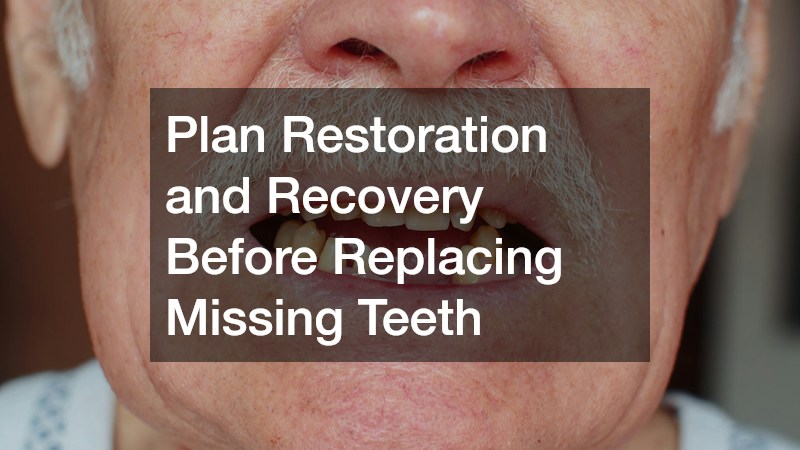
Replacing a missing tooth requires more planning than simply selecting a replacement option. The condition of the surrounding teeth, gums, jawbone, and existing restorations can all influence whether a particular approach is appropriate. Patients should understand the evaluation process before scheduling treatment.
Dental implants may involve several stages, depending on the patient’s individual circumstances. The treatment process can include an initial evaluation, preparation when needed, placement, healing, and restoration. Not every patient follows the same timeline, so discussing each stage in advance can help with scheduling and expectations.
Patients should ask about:
- The condition of the surrounding teeth and gums
- Whether additional preparation is necessary
- The expected number of appointments
- Recovery and activity considerations
- Long-term maintenance requirements
Patients should also discuss how the replacement will fit with their existing bite and other dental work. Understanding the complete process before treatment begins can make it easier to plan work, travel, meals, and other daily responsibilities around appointments and recovery. A thorough evaluation can also help identify issues that may need to be addressed before the restorative process starts.
Dental treatment planning works best when it reflects the specific circumstances of the patient rather than relying on a standard approach. Symptoms, existing oral health conditions, cosmetic goals, injuries, family schedules, and restorative needs can all affect which treatments should be considered and how they should be organized. Taking time to discuss these factors can make appointments more productive and help patients understand why certain steps may be recommended.
Patients can also benefit from maintaining organized records and asking questions before beginning significant treatment. Understanding alternatives, timelines, maintenance requirements, and recovery expectations provides a clearer picture of what the process may involve. When several concerns exist at once, prioritizing treatment and coordinating related procedures can make care easier to manage.